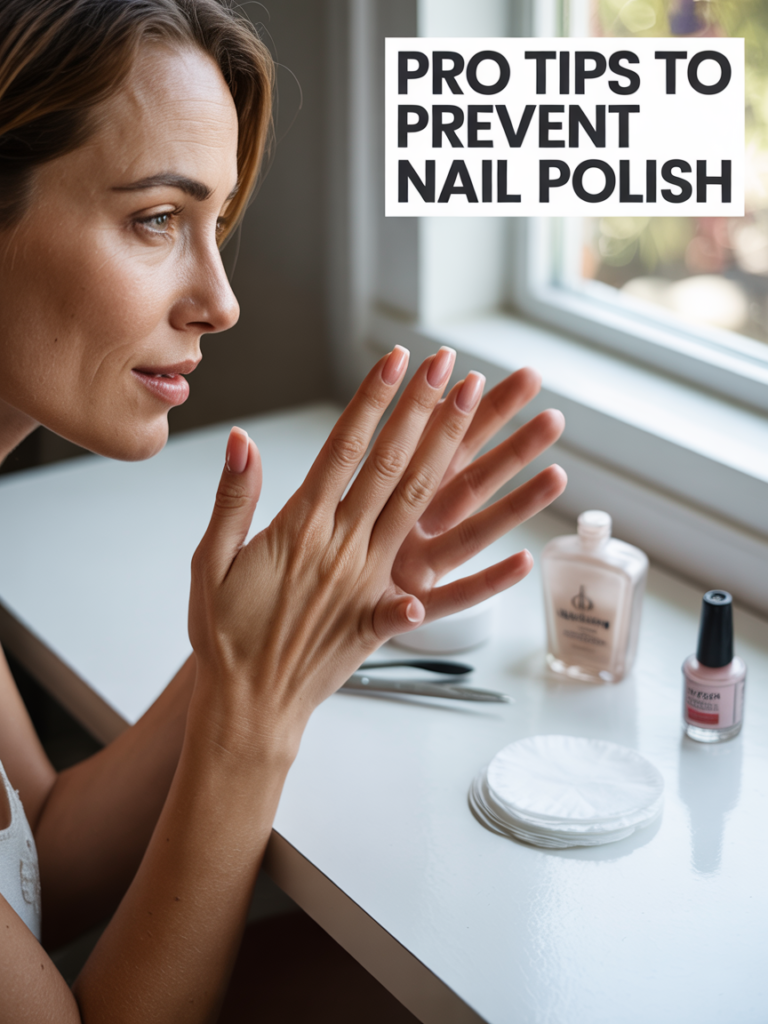
A fresh manicure can instantly boost your confidence. But no matter how carefully you apply it, nail polish sometimes chips within days—or even hours. If you’re searching for practical ways to stop nail polish chipping and achieve long-lasting color, the solution lies in proper nail preparation, correct application techniques, and simple aftercare habits.
This informational guide explains why nail polish chips and how to make nail polish last longer with easy, professional-level tips you can follow at home.
Why Does Nail Polish Chip?
Understanding the cause is the first step in learning how to stop nail polish from chipping.
Nail polish usually chips because:
- The nail surface contains natural oils.
- Nails were not prepared properly before application.
- Thick coats were applied.
- The polish did not dry completely.
- Nails are exposed to too much water.
- The nails are weak or peeling.
When polish cannot properly bond to the nail plate, it begins to lift, crack, and chip. Now let’s go step by step on how to prevent this.
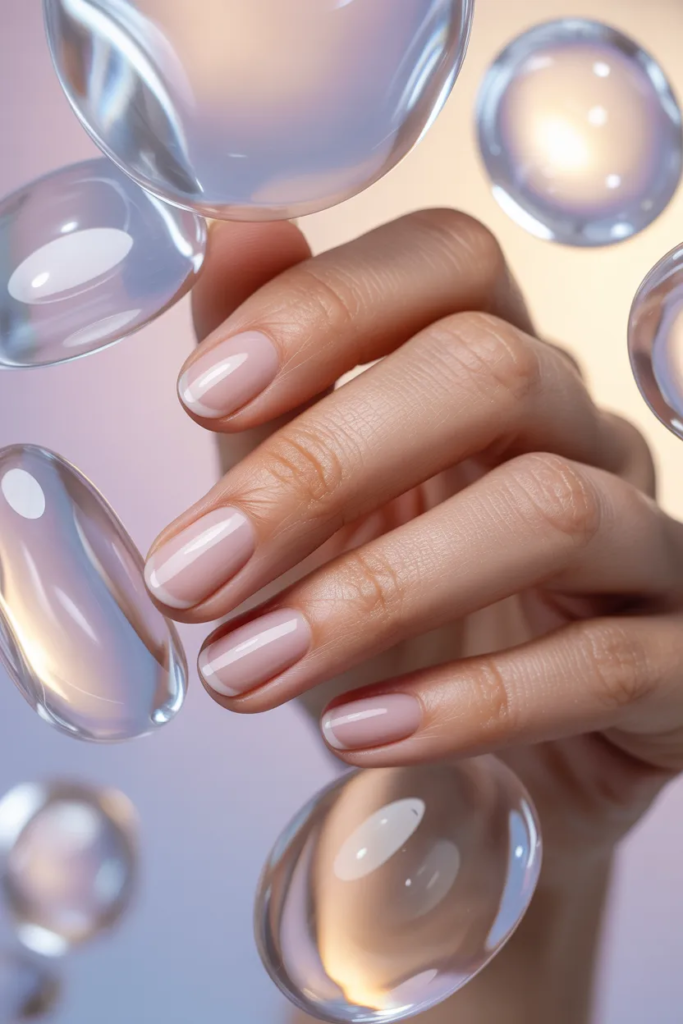
1. Properly Prepare Your Nails Before Polishing
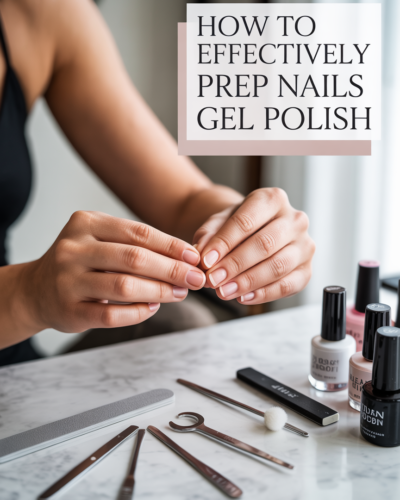
Preparation is the foundation of a long-lasting manicure, and skipping this step often leads to early chipping. Taking a few extra minutes to prep your nails correctly can make a huge difference in how long your polish stays smooth and intact. Clean, well-prepared nails create the perfect base for better adhesion and a more professional finish.
Before applying polish, make sure to remove any old nail polish completely using a gentle remover. Wash your hands with soap and water, then dry them thoroughly to eliminate moisture. Next, wipe each nail with rubbing alcohol or nail polish remover to remove natural oils and residue. Even invisible oils can prevent polish from sticking properly, so this step is essential. Clean, dry nails allow the polish to grip better, helping your manicure last longer without chipping.
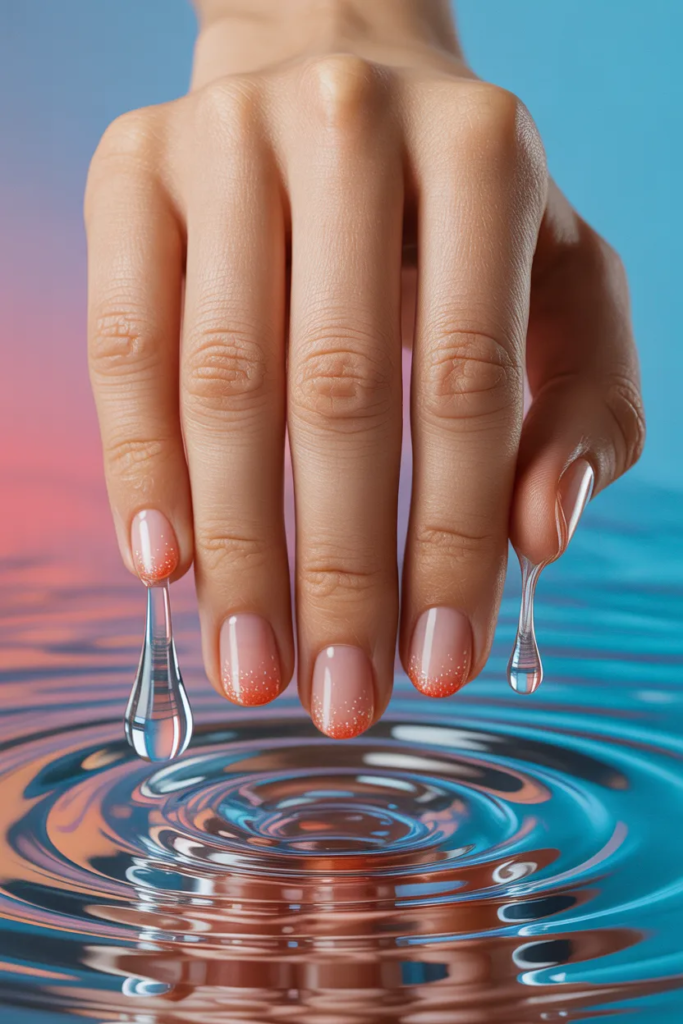
2. Shape and File Your Nails Correctly
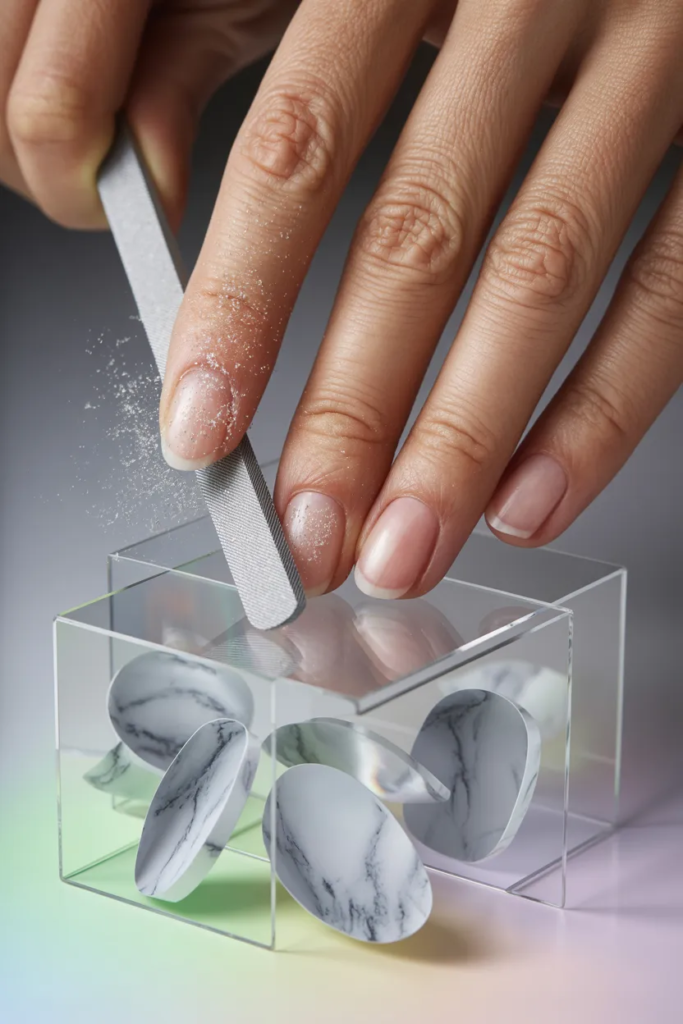
Before applying polish, shaping and filing your nails properly is essential for a neat, lasting manicure. Use a fine-grit nail file to shape the edges smoothly, avoiding rough or jagged tips that can lead to premature chipping and snagging.
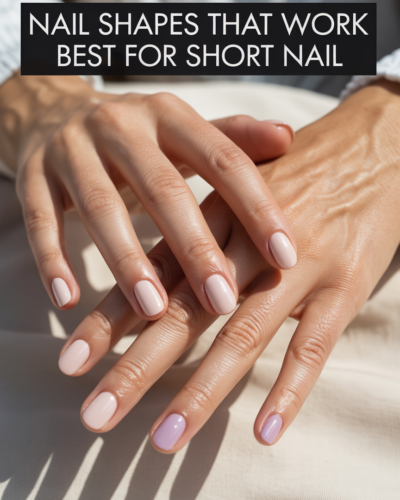
Always file in one direction rather than using a back-and-forth sawing motion, which can weaken the nail and cause splitting. Choose a nail shape that suits your lifestyle and finger shape, whether square, oval, almond, or coffin. Properly shaped nails not only look polished but also reduce the risk of breakage, helping your manicure last longer.
Taking the time to shape your nails correctly creates a strong, even base that supports better polish application and a more professional finish.
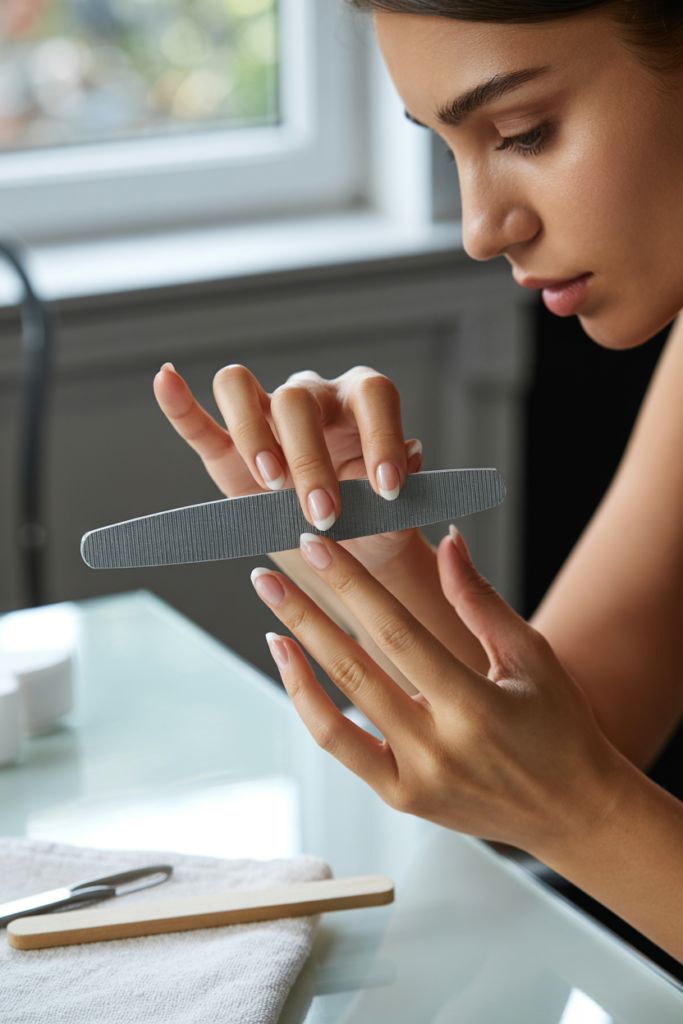
3. Push Back Cuticles Carefully
Cuticle care is essential for achieving a long-lasting and professional-looking manicure. If nail polish touches the cuticle area, it can start lifting from that point, leading to early chipping. Proper cuticle preparation helps the polish stay only on the nail plate and improves overall durability.
Steps to Follow:
- Use a soft cuticle pusher or wooden stick.
- Gently push cuticles back without applying pressure.
- Avoid cutting or damaging cuticle skin.
- Do not apply polish over cuticle areas.
Cuticles act as a natural protective barrier for nails, so keeping them healthy and undamaged is very important. Taking care of cuticles helps polish adhere better to the nail surface and creates a clean, smooth, and long-lasting manicure finish.
44. Always Apply a Base Coat
A base coat is a crucial step for a long-lasting and professional-looking manicure. It serves as a protective foundation that helps your nail polish adhere better and prevents early chipping or peeling. Skipping this step is one of the most common reasons manicures don’t last, even when the polish is applied perfectly.
A good base coat works by:
- Creating a smooth, even surface on the nail, which helps color polish glide on seamlessly.
- Enhancing adhesion, allowing the nail polish to bond more effectively with the nail plate.
- Protecting nails from staining, especially when using dark or highly pigmented polish.
- Strengthening nails slightly, reducing the risk of breakage or splitting under the polish.
For best results, always apply a thin, even layer and let it dry completely before moving on to your color polish. This step dramatically improves durability and ensures your manicure looks polished and flawless for days.
5. Apply Thin and Even Coats
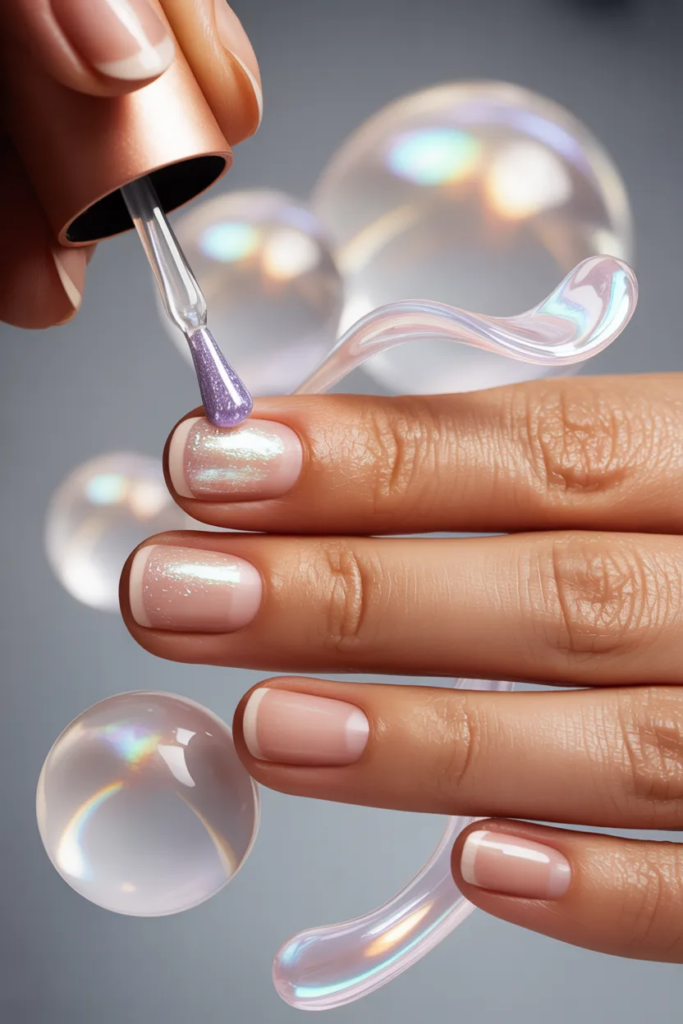
One of the most common mistakes when painting nails is applying thick layers of nail polish. While it may seem faster to cover the nail in one heavy coat, thick polish takes much longer to dry, is prone to smudging, and can trap tiny air bubbles that cause uneven texture. Thick coats also chip more easily, shortening the life of your manicure.
Instead, apply two to three thin, even coats for optimal results. Start with a small amount of polish on the brush and use smooth, controlled strokes from the base to the tip. Allow each layer to dry completely before applying the next one. This approach not only ensures a flawless finish but also improves adhesion, reduces the risk of dents and smudges, and makes your manicure last significantly longer. Thin layers create a polished, professional look with minimal effort and maximum durability.
6. Seal the Free Edge of Your Nails
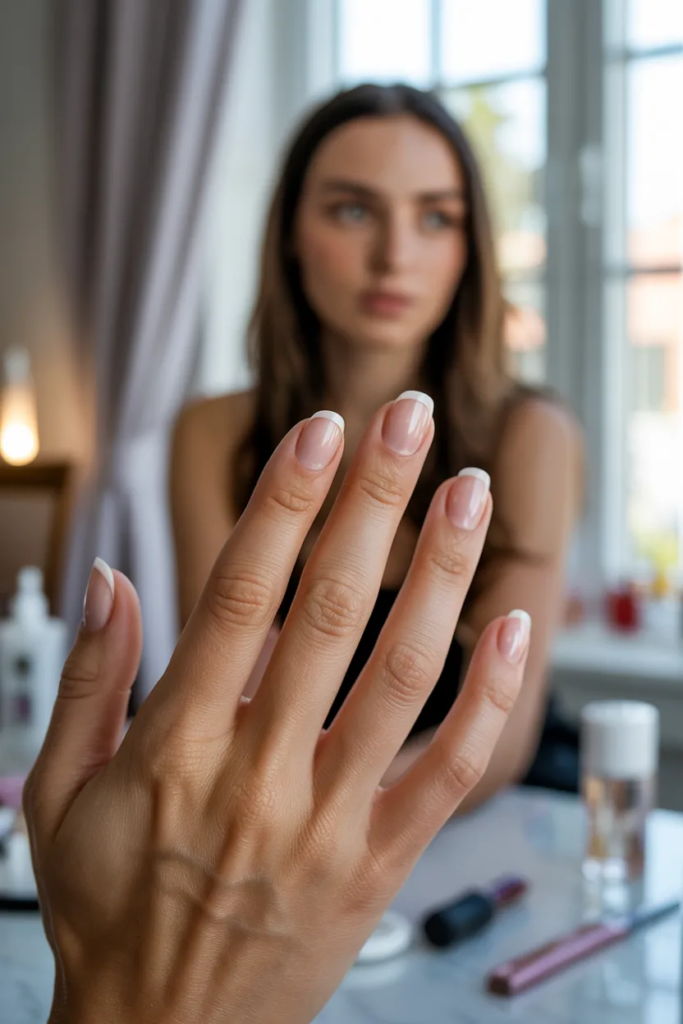
The tips of your nails are the most vulnerable areas for chipping and wear because they are constantly exposed to friction and contact with objects. Even if the rest of your manicure looks perfect, unsealed edges can lift and chip quickly, shortening the life of your polish.
To prevent this, make it a habit to seal the free edge of your nails after applying each layer—base coat, color, and top coat. Gently swipe the brush across the tip of the nail, ensuring the polish fully covers the edge. This small step creates a protective barrier that strengthens the polish at its weakest point.
Sealing the edges not only reduces early chipping but also gives your nails a more finished, professional appearance. It’s a simple yet highly effective technique that can significantly extend the durability and flawless look of your manicure.
7. Use a Top Coat for Protection
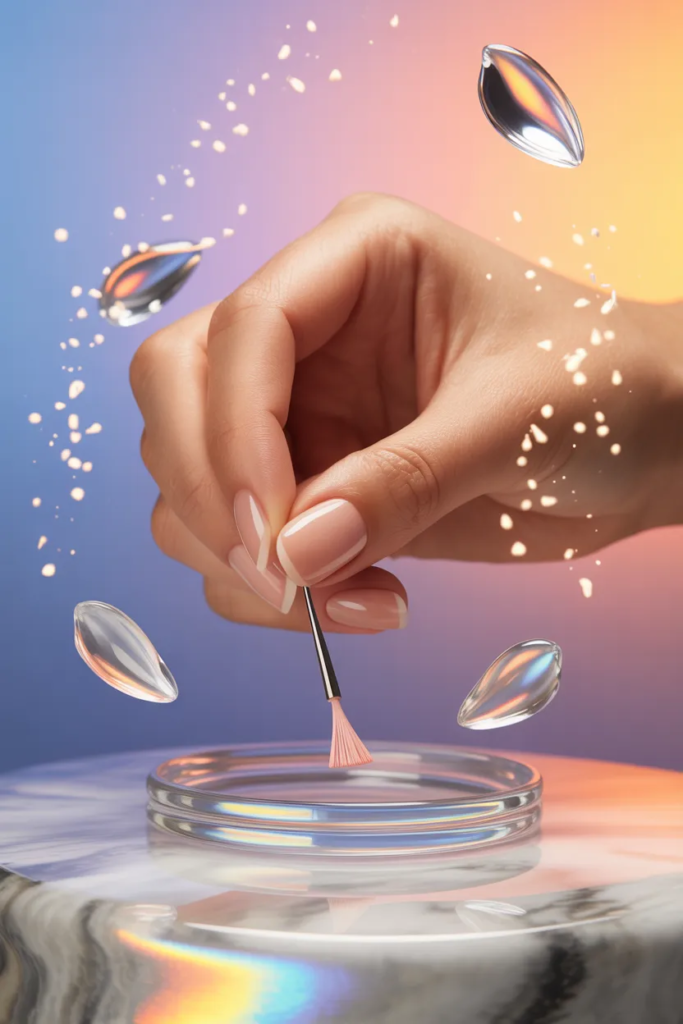
A top coat is one of the most important steps in achieving a long-lasting, flawless manicure. It acts as a protective barrier that locks in your nail color and shields it from daily wear and tear, preventing chips, scratches, and fading. Using a top coat not only preserves the polish but also adds a beautiful shine or glossy finish, enhancing the overall look of your nails.
For best results, apply a thin, even layer of top coat after your color polish has fully dried. Make sure to swipe the brush along the free edge of your nails to seal the tips and prevent premature chipping. To maintain durability and vibrancy, refresh the top coat every two to three days. This simple habit keeps nails looking polished, professional, and fresh, while significantly extending the life of your manicure.
88. Allow Enough Drying Time
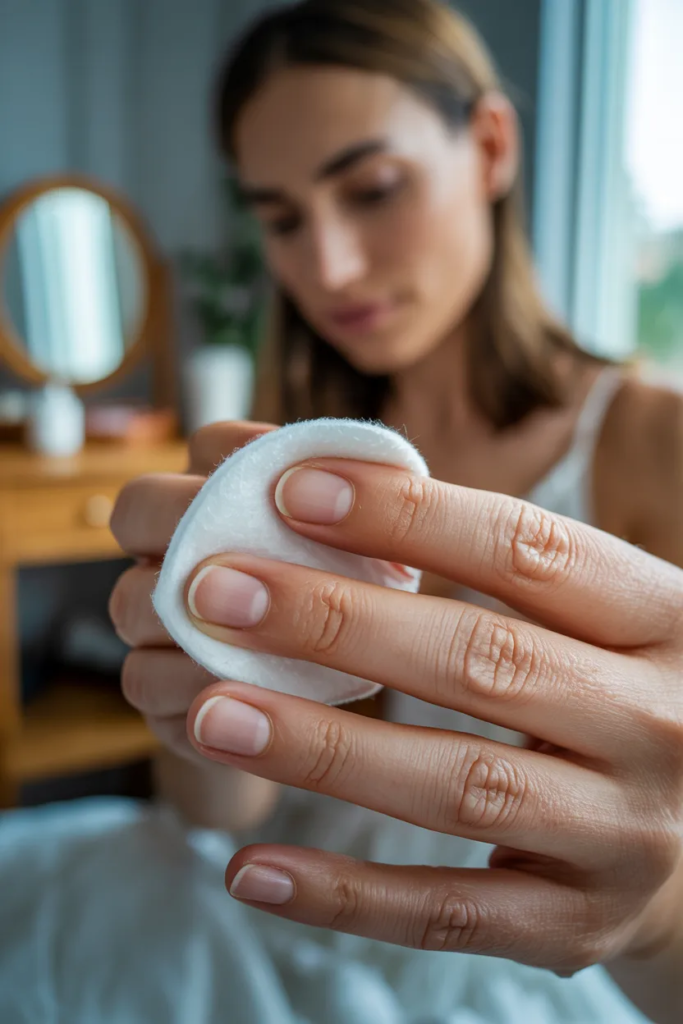
Even if your nails feel dry to the touch, the polish underneath may still be soft and vulnerable. Rushing through this step is one of the main reasons manicures chip or dent so quickly. Proper drying allows each layer—base coat, color, and top coat—to fully set, ensuring a smooth, durable finish.
To protect your manicure, wait at least 20–30 minutes before engaging in heavy hand use. Avoid exposing freshly painted nails to heat, such as hot water or hair dryers, as this can soften the polish and cause smudges. Be patient between each coat, giving every layer enough time to harden before applying the next. Taking this extra time significantly increases the longevity of your manicure and helps prevent early chipping, dents, or uneven polish. Proper drying ensures your nails look professional, polished, and long-lasting.

9. Protect Your Nails from Water Exposure
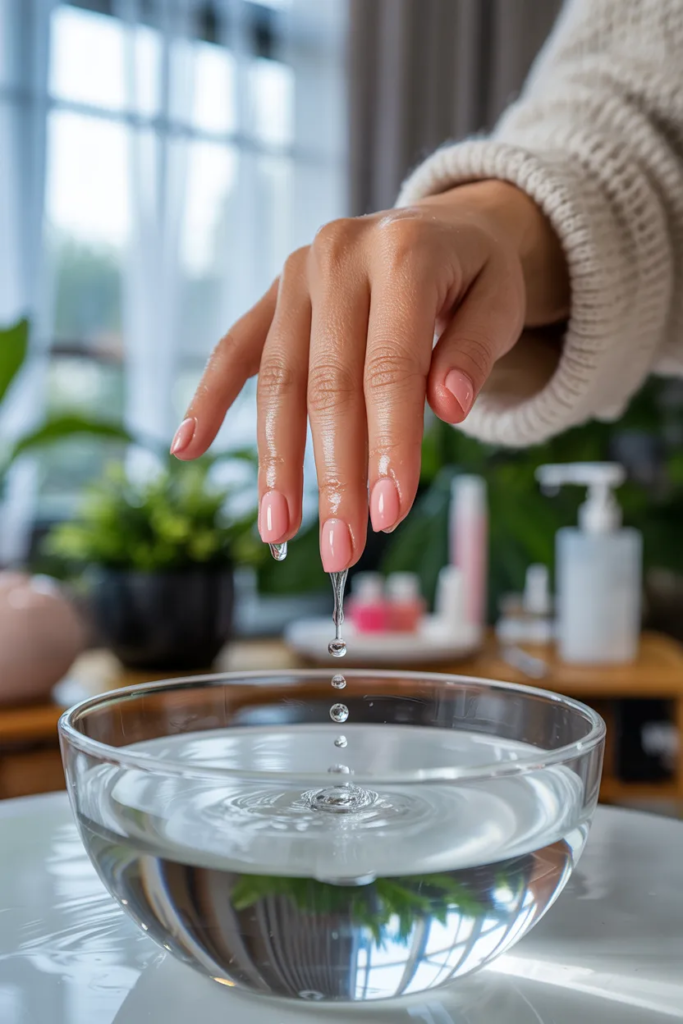
Water can be a hidden enemy for freshly painted nails. When nails are exposed to water, they expand and contract, which weakens the bond between the polish and the nail surface. This movement can lead to peeling, cracking, and early chipping, even if your manicure was applied perfectly.
To protect your nails, wear gloves whenever washing dishes, cleaning, or handling water for extended periods. Avoid taking long, hot showers or soaking your hands immediately after applying polish, as heat and water soften the layers. After washing, dry your hands thoroughly, paying special attention to the tips and under the nails. Minimizing water exposure in the first 24 hours is especially important for long-lasting results. By protecting your nails from excess water, you help preserve the polish, maintain shine, and extend the life of your manicure.
10. Keep Your Nails Healthy and Strong
The foundation of a long-lasting manicure isn’t just polish—it’s the health of your nails. Weak, brittle nails bend and break easily, which leads to chipping and peeling of even the most carefully applied nail polish. Maintaining strong, healthy nails is essential for a durable and polished look.
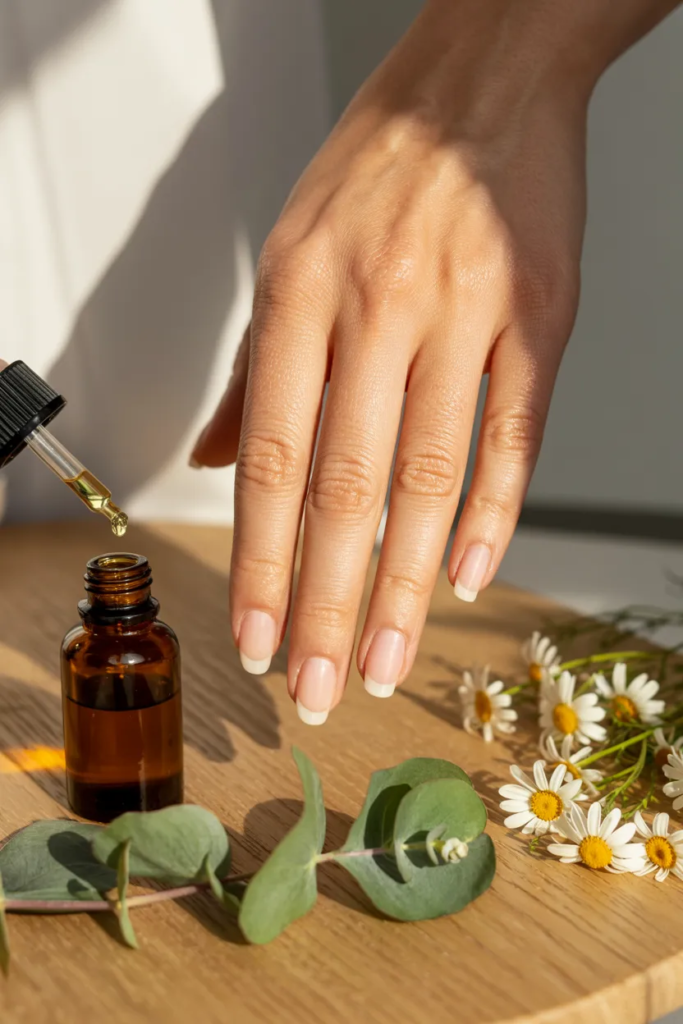
To keep nails strong, apply cuticle oil regularly to nourish both the nails and surrounding skin. Keep nails at a manageable length to prevent accidental breakage, and avoid harsh chemicals or prolonged exposure to cleaning agents without protection. Giving your nails breaks between manicures allows them to recover and grow stronger naturally.
Healthy nails provide a solid, stable base for nail polish, making your manicure last longer and look flawless. By focusing on nail care alongside proper application techniques, you ensure that every manicure looks professional, smooth, and long-lasting.
Things You Should Avoid to Prevent Chipped Nails
If you want to stop nail polish from chipping, avoid these habits:
- Applying polish over oily or moisturized nails.
- Skipping base coat or top coat.
- Applying thick coats.
- Using old or thickened polish.
- Shaking the polish bottle (roll it instead).
- Peeling off polish instead of removing it properly.
- Using your nails as tools.
- Exposing freshly painted nails to water too soon.
Avoiding these mistakes can dramatically increase how long your manicure lasts.